Chili Peppers Around the World: A Regional Guide to Global Varieties
From Mexican chipotles to Sichuan xiao mi la, explore the chili peppers that define cuisines across the Americas, Europe, Asia, and Africa.
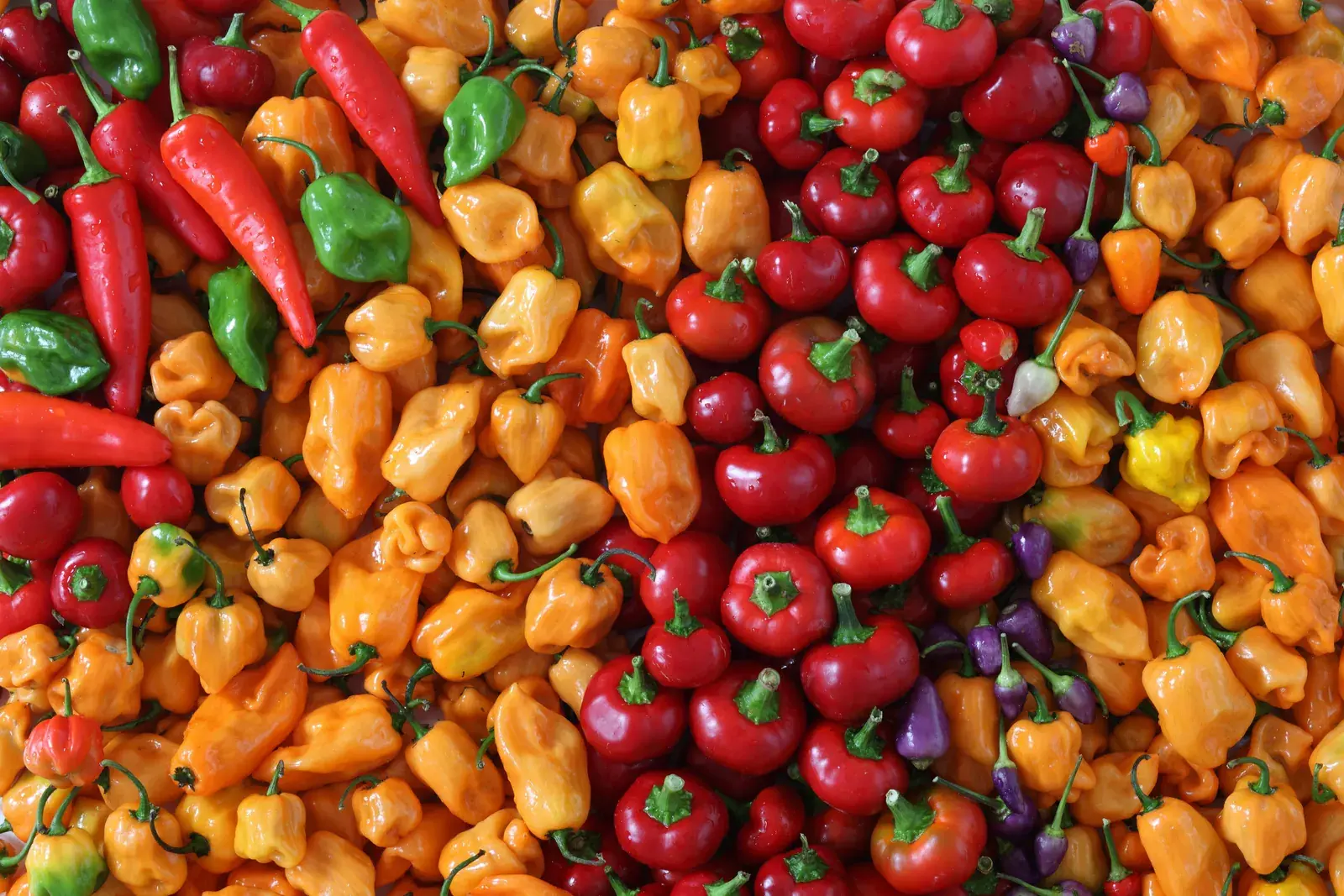
If you follow my content, you know that I love spicy food and I love chili peppers! I grew up eating dishes containing chilis in most meals and even ate them as accompaniments with dinner. Even if you aren’t a spicy food lover, there are a host of different types of chilis around the world that range in spiciness and are used in vastly different ways in order to create a plethora of delicious dishes. Given how pervasive the use of chilis is around the world today, one might think that different chilis originate in different parts of the world, but all present-day chili peppers originate from Central/South America and were first cultivated in Mexico. Colonizers then transported the chilis around the world, with chilis first being introduced to the Indian subcontinent in the early 16th century in Goa, which was under Portuguese colonial rule. Given how recent the introduction of chili peppers is globally, it is pretty incredible how essential these types of peppers have become in cuisines around the world! In this blog post, I aim to highlight some common chili peppers from around the world and how they are used to create traditional dishes.
The Americas
Given that the Americas are the birthplace of chili peppers, it is no surprise that there are many different types of chilis that are popular in the region. A perfect country to get an overview of some of these different chilis and their uses is Mexico. In Mexico, fresh and dried chilis are pervasive in cooking, with some common varieties including:
- Jalapeño (called a Chipotle when dried and smoked)
- Poblano (called an Ancho when dried)
- Chilaca (called a Pasilla when dried)
- Mirasol (called a Guajillo when dried)
- Anaheim (called a Colorado when dried)
- Serrano (called a Chile Seco or Chile de Árbol when dried)
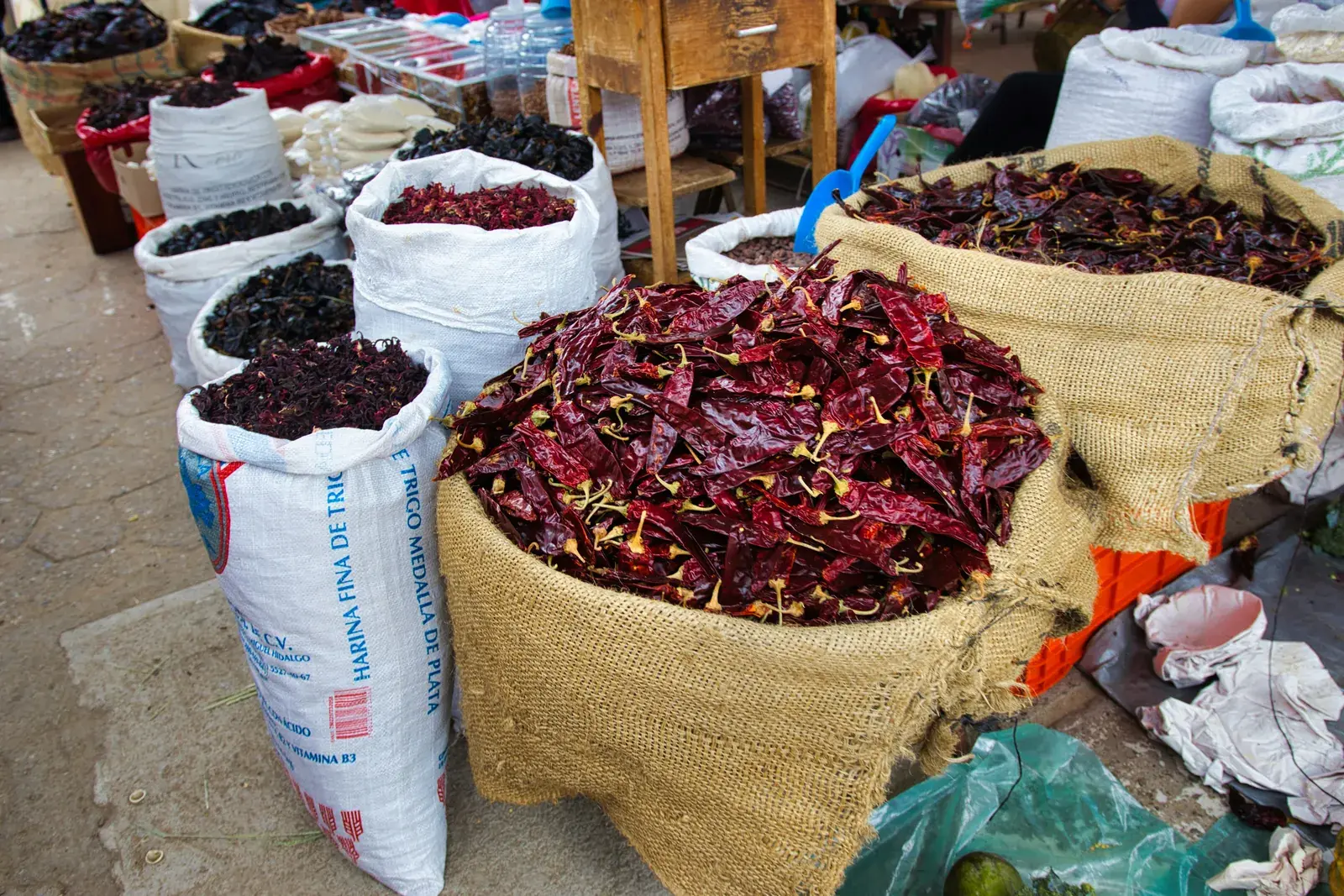
In their dried form, these chilis are used in chili oils like salsa macha, salsas like salsa taquera, sauces like mole and adobo, and stews/soups like barbacoa and birria. They can also be used fresh in salsas, in stuffed pepper dishes (rellenos), and as a topping/garnish on dishes like tacos. Fresh chilis may also be used for sauces, as is seen in the famous aji verde, a green sauce from Peru that uses jalapeños or serranos. That is just one example, but if you head over to the Caribbean you will find a plethora of sauces and stews that use fresh chilis, particularly scotch bonnet peppers or habaneros. This includes dishes like brown stew chicken, pikliz, jerk sauce, and Guyanese pepperpot (which traditionally uses the wiri wiri chili). These chilis are quite spicy and pretty fruity! I personally love hot sauces that use these peppers in combination with fruits. The USA has also become quite a hub for hot sauces and the development of super spicy peppers. Peppers like the Carolina Reaper and Pepper X were developed specifically to be the spiciest chilis on the planet, and can often be found in extremely spicy hot sauces. I have had the pleasure of trying some of these hot sauces and trust me when I say they are crazy spicy. Pickled banana peppers are also very popular in North America, being descended from the Hungarian Wax Pepper and often used on pizza or in sandwiches. Additionally, cayenne peppers are often used to create cayenne pepper powder in North America which is common in Southern-USA cuisine and used in dishes like gumbo and jambalaya.
Europe
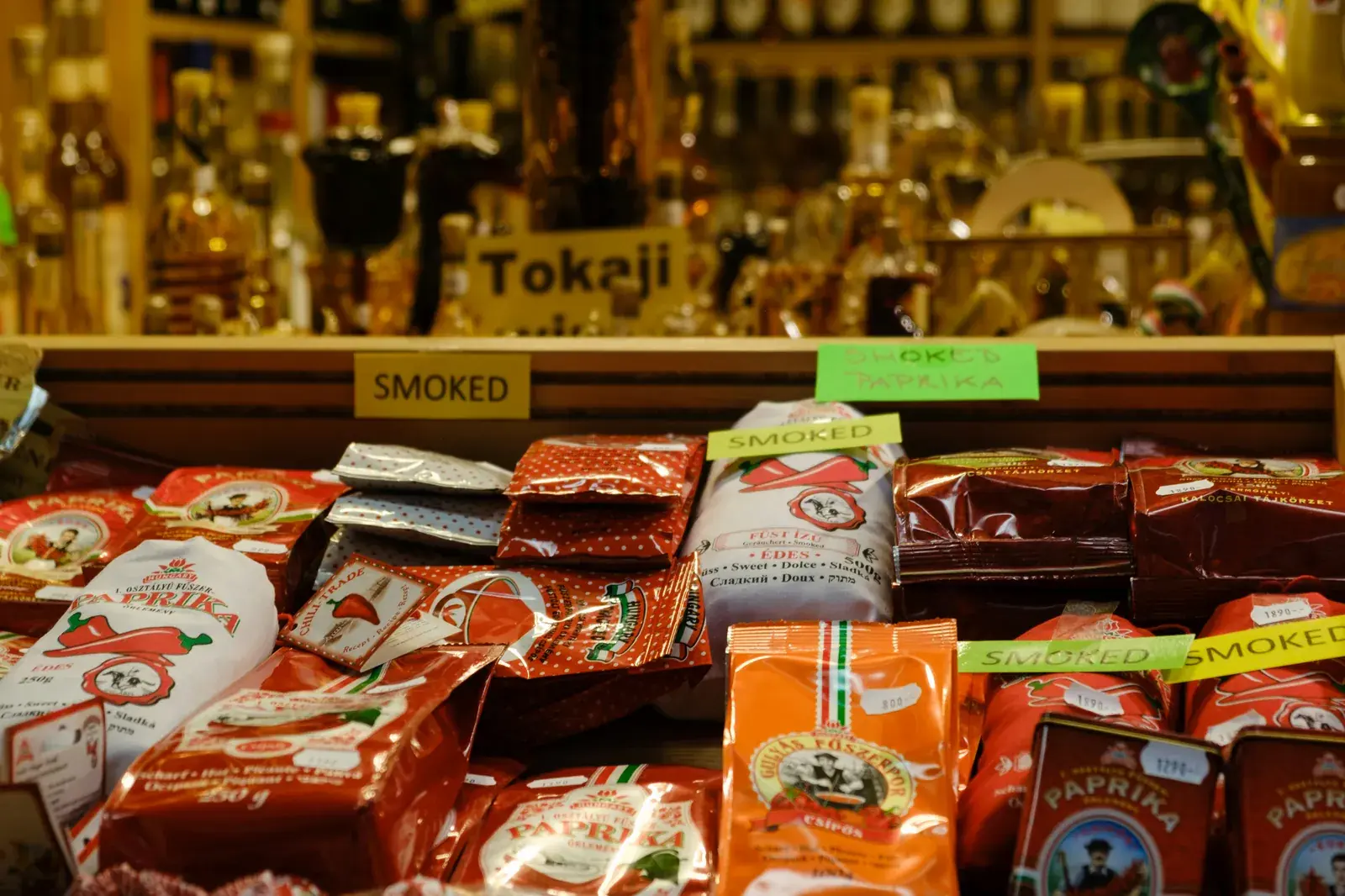
Despite being responsible for spreading chilis around the world, Europe is not particularly known for chilis compared to the other regions mentioned in this post. However, a notable exception to the perceived lack of chili use is Hungary! I had the opportunity to briefly visit Budapest and there were chilis being sold everywhere. Obviously, Hungarian paprika is iconic and there are so many varieties that can be found in the country, all of which smell incredible and undoubtedly taste amazing. Outside of this though, there are also the Hungarian wax peppers which are enjoyed in lecso (a famous stew), stuffed, pickled, or in other dishes like soups or paprikash. Similarly, in Serbia, Hungarian wax peppers or somborka peppers are roasted, pickled, and then served as a tasty accompaniment to dishes. Italy also has its own famous variety of chili peppers, peperoncini, which may be eaten pickled or used in chili oils and to make ‘nduja sausage. Another chili pepper that I had actually never heard of before conducting my research is the Espelette pepper, which is grown exclusively in France (due to the protected designation of origin) and is used extensively in Basque cuisine, such as in the dish piperade. Outside of these chilis, the closest thing I can find to a hot chili pepper that is common in European cuisine is the Padrón pepper of Spain, which is roasted/fried to be made into tapas. This chili is not very spicy in general but apparently every so often an unusually spicy chili comes up which is quite interesting.
Asia
In Asia, many cuisines use chilis on a regular basis. I am from Pakistan and my family uses chilis in dishes on a regular basis. In meat dishes, we typically use chilis as an aromatic and to add spiciness to the dish, and it is also enjoyed eaten raw as an accompaniment to the meal for those with a slightly higher spice tolerance. I cannot really figure out what the exact cultivar of chilis is that we use in Pakistan, but it is probably closely related to the Jwala, also known as finger hot chilis, that are used in Northern India. In Canada though, when I don’t buy chilis from a South Asian grocery store, which are usually sold under the generic name “green chili”, I buy bird’s eye chilis. These chilis are popular in Thai cuisine, and are a bit smaller and spicier than the green chilis we use in Pakistan. In Thailand, they are referred to as Prik Ki Nu, and are used in salads, soups, and curries. Fun fact: Thailand is the country where I have had the spiciest food I have ever tried! If you visit a local market and are brave enough, order a som tum or pad krapao and ask for it extra spicy to feel the true effect of the prik ki nu chilis. Thai spur chilis, or prik chee fah, are also used in the cuisine but they are much milder, and are used more so as a garnish, for their green colour in pastes, or for a mildly spicy and slightly sweet pepper flavor. While prik ki nu chilis are very spicy and used in abundance in Thai cuisine, India still holds the crown for the spiciest pepper in Asia, being home to the bhut jolokia chili, also known as the ghost pepper. I have never tried a dish with ghost peppers before but it seems to be more popular in Northeastern India, where it is grown, and is enjoyed preserved or used in dishes in small quantities both fresh and as a ground spice. Other notable chilis used in South Asian cuisine are:
- Kashmiri red chilis, which are used to make Kashmiri red chili powder, which is used to add colour and a very mild chili flavour to dishes as they are not spicy at all
- Boria chilis, which are used in South Indian cuisine primarily when tempering spices/aromatics and are quite spicy
Outside of South/Southeast Asia, there is massive chili use in Korea and China. In Korea, the Hong Gochu chili pepper is used to make gochugaru (Korean chili flakes) and gochujang (fermented Korean chili paste). While not very spicy, these products are crucial in a variety of Korean dishes from jjigaes (Korean stews) to stir-fries like dak galbi. In China, there is undoubtedly a massive variety of chili peppers but there are three that are especially famous in the Sichuan region:
- Zhi Tian Jiao: a milder chili that is mostly used in stir-fried dishes
- Er Jing Tiao: a milder but aromatic chili, used in chili oil, doubanjiang (Chinese fermented broad bean paste), and stir-fried dishes
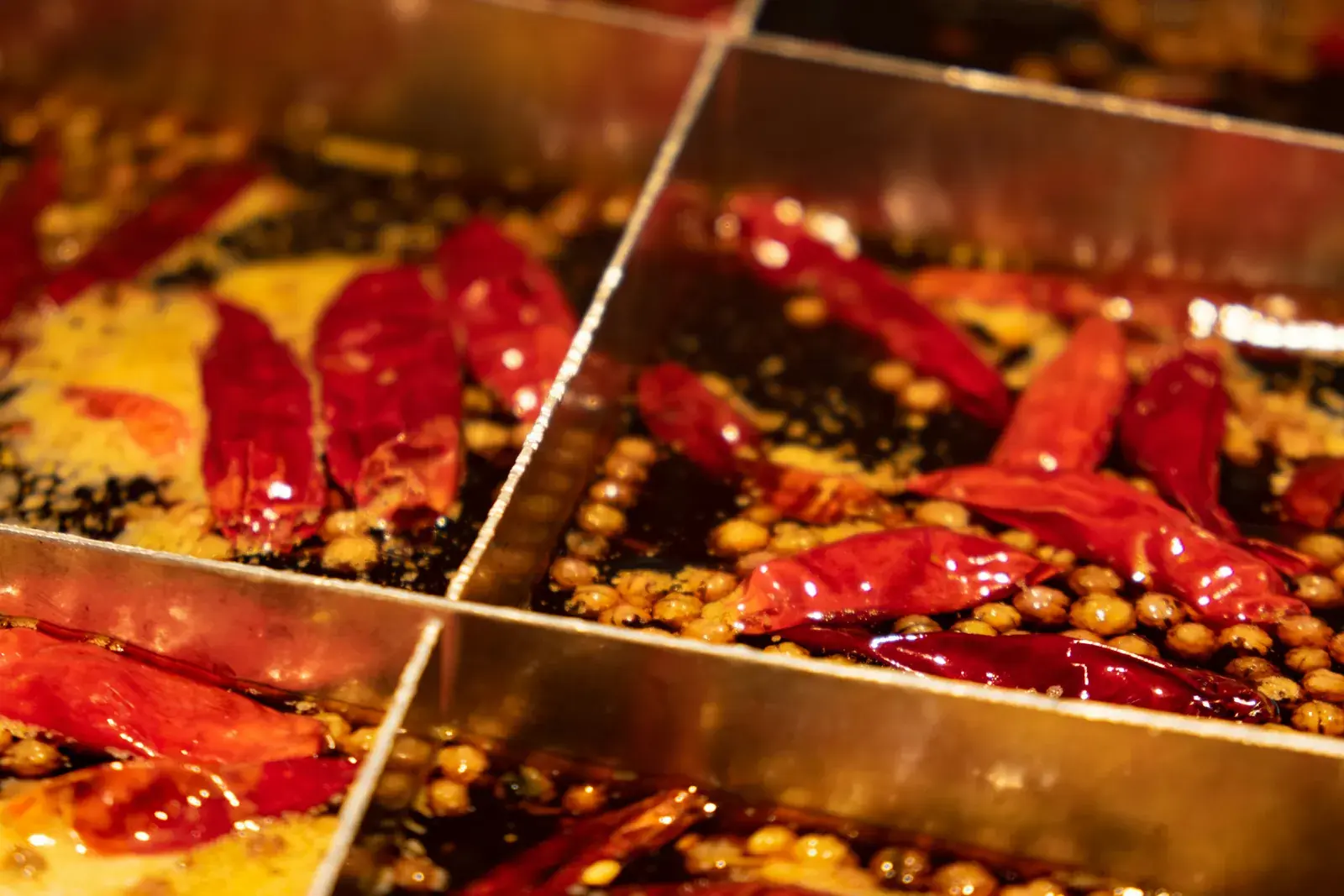
- Xiao Mi La: a spicy chili that is used in hot-pot dishes, spicy stir-fried dishes, and spicy salads
Additionally, on Hainan Island a famous chili called the Hainan yellow lantern chili is grown, which is very spicy and used primarily to make a yellow chili sauce which is then used in dishes.
Africa
Just before chilis were introduced to Asia, they were introduced to Africa, where the use of chilis culinarily was quickly adopted. While North African cuisine is not known for being particularly spicy, the slightly spicy baklouti chili is a cornerstone of North African cuisine, specifically Tunisian, as it is used to make harissa paste. This chili paste is aromatic, a little bit spicy, and absolutely delicious! Another globally famous African chili is the peri peri chili of Southern Africa, also known as the African bird’s eye chili. This chili is used as part of the marinade for peri-peri chicken, which is a classic Portuguese-African dish, but is also used in soups, stews, and to marinade other proteins in Southern African countries like Mozambique, Angola, South Africa, Zimbabwe, and Malawi. In Congolese and Tanzanian cuisine, you can apparently encounter an even spicier chili than the peri peri chili, the mbuzi chili. It is hard to find reliable information online because all of the sources I have read on African chilis are quite inconsistent, but the mbuzi chili is seemingly a habanero-like chili that is used in soups and stews in Congolese and Tanzanian cuisine. In West Africa, a variety of chilis are also used, including:
- Kpakpo Shito: a small, spicy pepper that is famous for its use to create the spicy green kpakpo shito sauce
- Shombo chili: a variety of cayenne pepper that is commonly used in Nigerian cuisine both fresh and ground to provide spiciness, depth of flavour, and colour to stews and other dishes like jollof rice
- Ata ijosi and ata wewe: bird’s eye chili related varieties which are quite spicy and typically used in Nigeria to add spiciness and flavour to stews
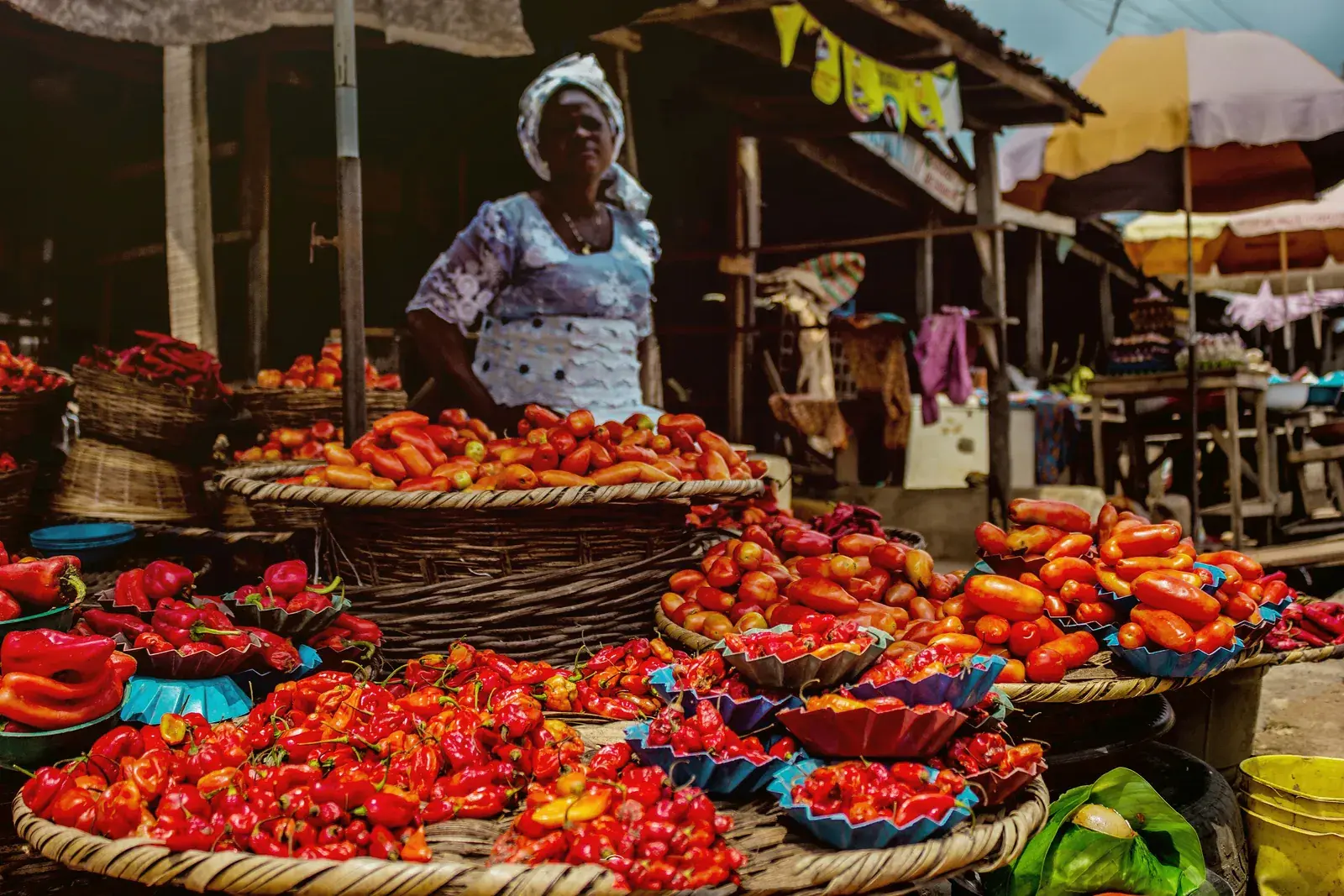
Chilis may have started in one small corner of the world, but between Mexican salsas, Sichuan hot pot, and West African stews, chilis have found their way into almost every cuisine on the planet. If you want to explore more of what’s out there beyond this list, check out my posts on the 10 best hot sauces and Asian pantry essentials. Also, make sure to follow me on my social media platforms and checkout my other blog posts if you enjoy my content!